

In today’s global marketplace, businesses of all sizes rely on efficient and reliable logistics to stay competitive. Whether you are importing raw materials or exporting finished products, managing international shipping can quickly become complex, time-consuming, and risky. This is where partnering with a professional freight forwarder can make a significant difference.
A freight forwarder is more than just a shipping intermediary. When chosen correctly, a freight forwarding partner can help reduce costs, improve delivery reliability, and allow businesses to focus on growth rather than logistics challenges. In this article, we explore how partnering with a freight forwarder can directly boost your business performance.
1. Simplifying Complex Logistics Processes
International shipping involves many moving parts: transportation planning, documentation, customs clearance, cargo handling, and coordination with multiple service providers. For businesses without in-house logistics expertise, this complexity can lead to delays, errors, and unexpected costs.
A freight forwarder manages the entire shipping process on your behalf. From pickup at the origin to final delivery at destination, they coordinate carriers, ports, customs authorities, and warehouses. This simplified approach reduces administrative burden and ensures that shipments move smoothly across borders.
By outsourcing logistics management known, you free up internal resources and reduce the risk of costly mistakes.
2. Cost Optimization and Better Freight Rates
One of the biggest advantages of working with a freight forwarder is cost efficiency. Freight forwarders handle high volumes of shipments and maintain strong relationships with airlines, shipping lines, and trucking companies. This allows them to negotiate more competitive rates than most individual shippers can access on their own.
In addition to better freight rates, a freight forwarder helps you:
- Choose the most cost-effective shipping mode
- Avoid unnecessary surcharges
- Reduce storage, demurrage, and detention costs
- Optimize packaging and cargo consolidation
Over time, these savings can significantly improve your profit margins.
3. Expertise in Customs and Documentation
Customs regulations vary by country and change frequently. Incorrect or incomplete documentation can lead to shipment delays, fines, or even cargo seizure. For growing businesses, navigating customs requirements without expert support can be risky.
Freight forwarders are experienced in handling:
- Commercial invoices
- Packing lists
- Bills of lading or airway bills
- Certificates of origin
- Import and export permits
Their knowledge helps ensure compliance with international trade regulations, minimizing delays and reducing the risk of penalties. This expertise is especially valuable for businesses entering new markets or shipping internationally for the first time.
4. Improved Reliability and On-Time Delivery
Late deliveries can damage customer relationships and disrupt supply chains. Freight forwarders improve reliability by carefully planning routes, selecting dependable carriers, and monitoring shipments throughout the journey.
In case of unexpected disruptions such as port congestion, flight cancellations, or customs inspections, a freight forwarder can quickly identify alternative solutions. Their proactive approach helps keep shipments on schedule and customers satisfied.
Reliable delivery performance strengthens your reputation and builds long-term trust with your clients.
5. Flexibility and Scalable Solutions
As your business grows, your logistics needs will change. Order volumes may increase, new markets may open, and shipping requirements may become more complex. A freight forwarder provides flexible solutions that scale with your business.
Whether you need:
- Air freight for urgent orders
- Sea freight for cost-efficient bulk shipments
- LCL or FCL options
- Multimodal transport solutions
A freight forwarder adapts services to match your changing needs without requiring major internal investment.
6. Risk Management and Cargo Protection
International shipping involves various risks, including cargo damage, loss, theft, and delays. Freight forwarders help manage these risks through proper handling procedures, secure routing, and insurance arrangements.
They can advise on:
- Cargo insurance options
- Proper packaging and labeling
- Risk-prone routes or seasons
- Compliance with dangerous goods regulations
By minimizing risk, freight forwarders protect both your cargo and your business reputation.
7. Access to Global Networks and Local Knowledge
Freight forwarders operate through global partner networks, giving your business access to international markets without the need for local offices or agents. At the same time, they bring valuable local knowledge of ports, customs practices, and regulations.
This combination of global reach and local expertise is particularly beneficial for small and medium-sized businesses looking to expand internationally while maintaining operational control.
8. Focus on Core Business Growth
Managing logistics internally can distract from core business activities such as sales, product development, and customer service. By partnering with a freight forwarder, you delegate logistics responsibilities to specialists, allowing your team to focus on strategic growth.
This improved focus often leads to:
- Better customer experience
- Faster response to market opportunities
- Increased operational efficiency
In the long run, this strategic partnership supports sustainable business growth.
Conclusion
Partnering with a freight forwarder is not just a logistical decision—it is a strategic business move. A reliable freight forwarding partner helps simplify operations, reduce costs, improve delivery reliability, and manage risks associated with international shipping.
For businesses seeking efficiency, scalability, and peace of mind, a freight forwarder becomes an extension of the supply chain team. With the right partner, logistics transforms from a challenge into a competitive advantage.
Related Posts
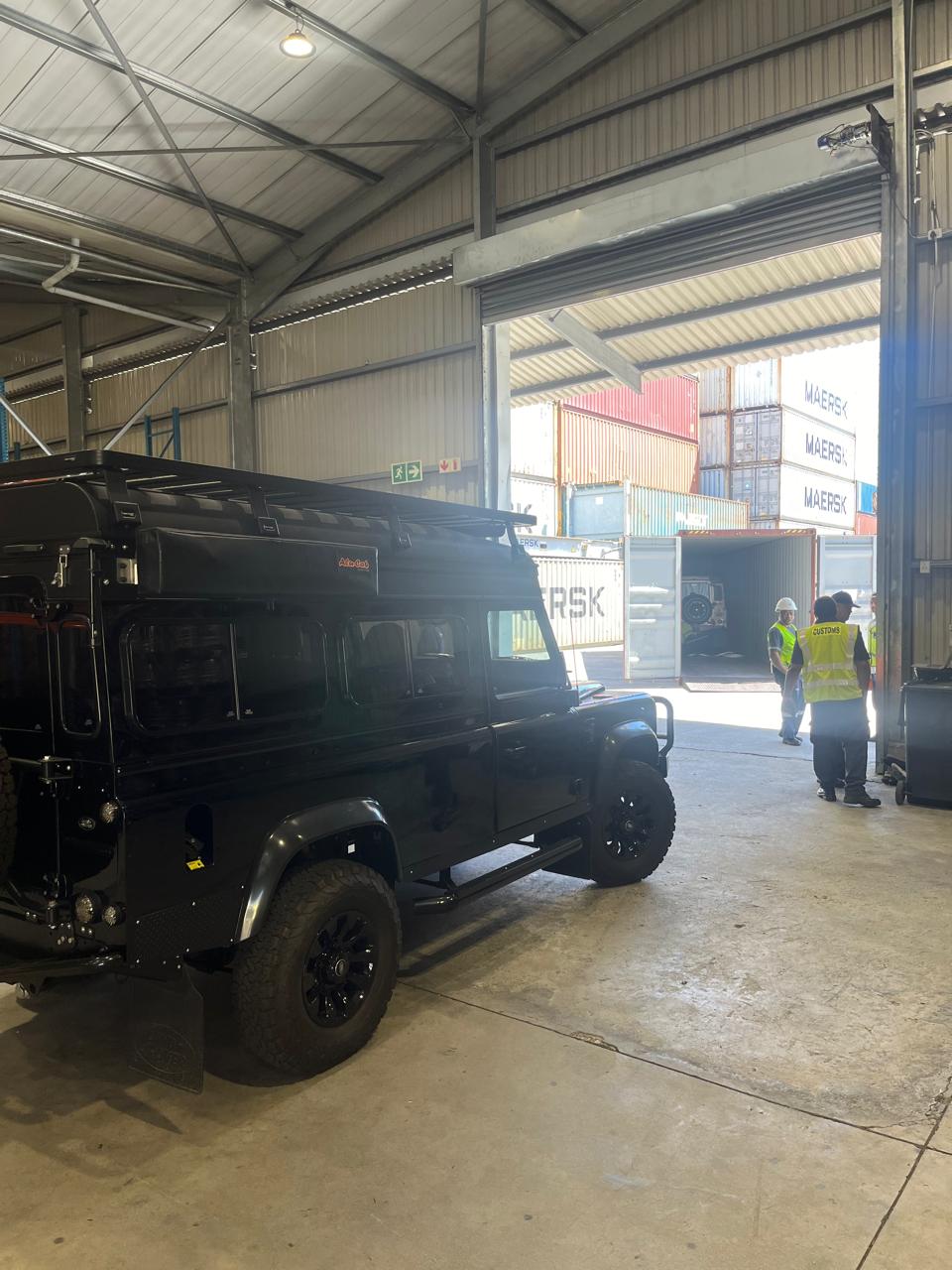 Behind the Scenes: Exporting Two Custom Land Rover Defenders to the USA
 How Conflict in the Middle East Is Affecting International Freight
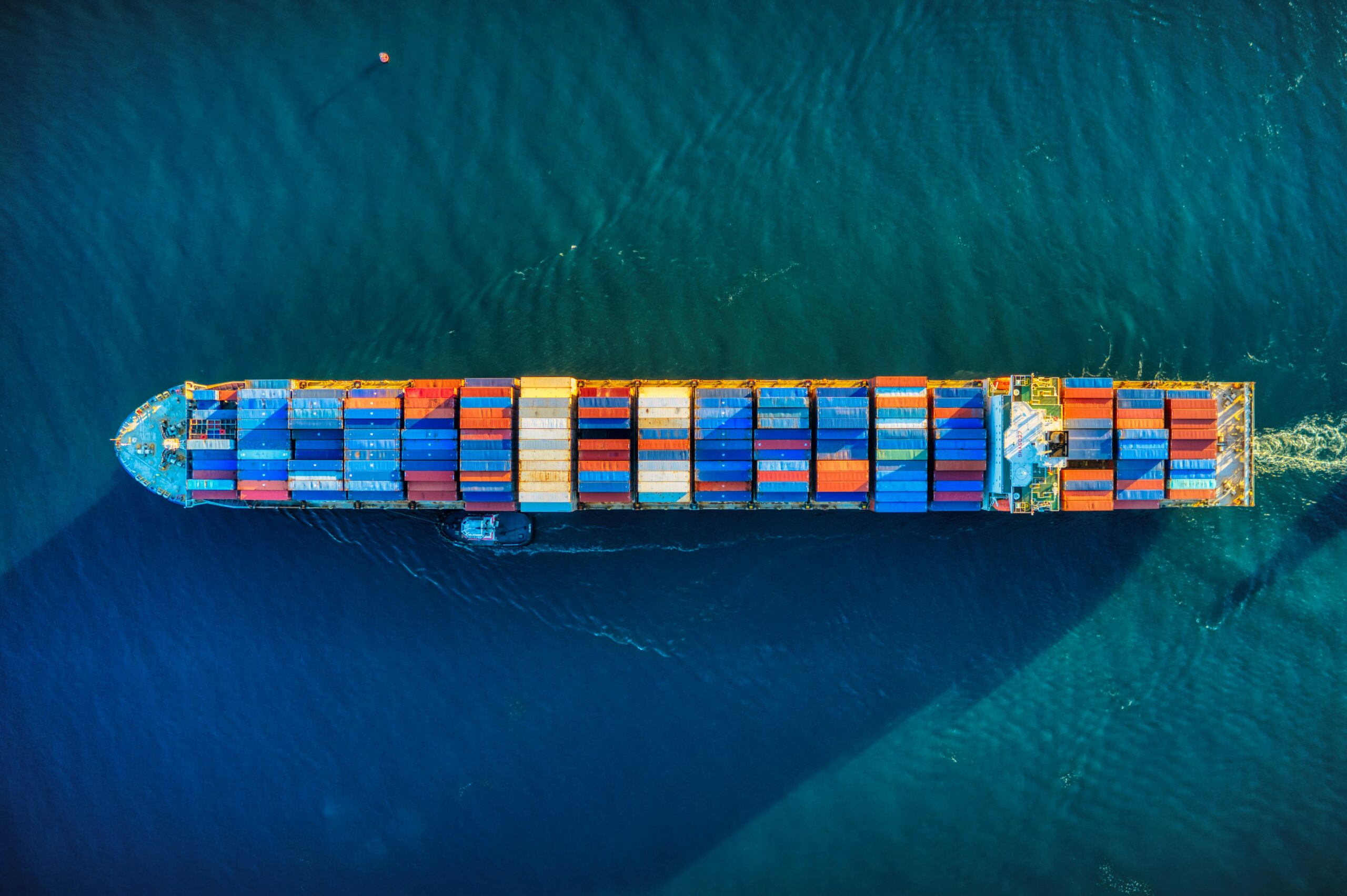 5 Common Shipping Mistakes Companies Make (and How to Avoid Them)