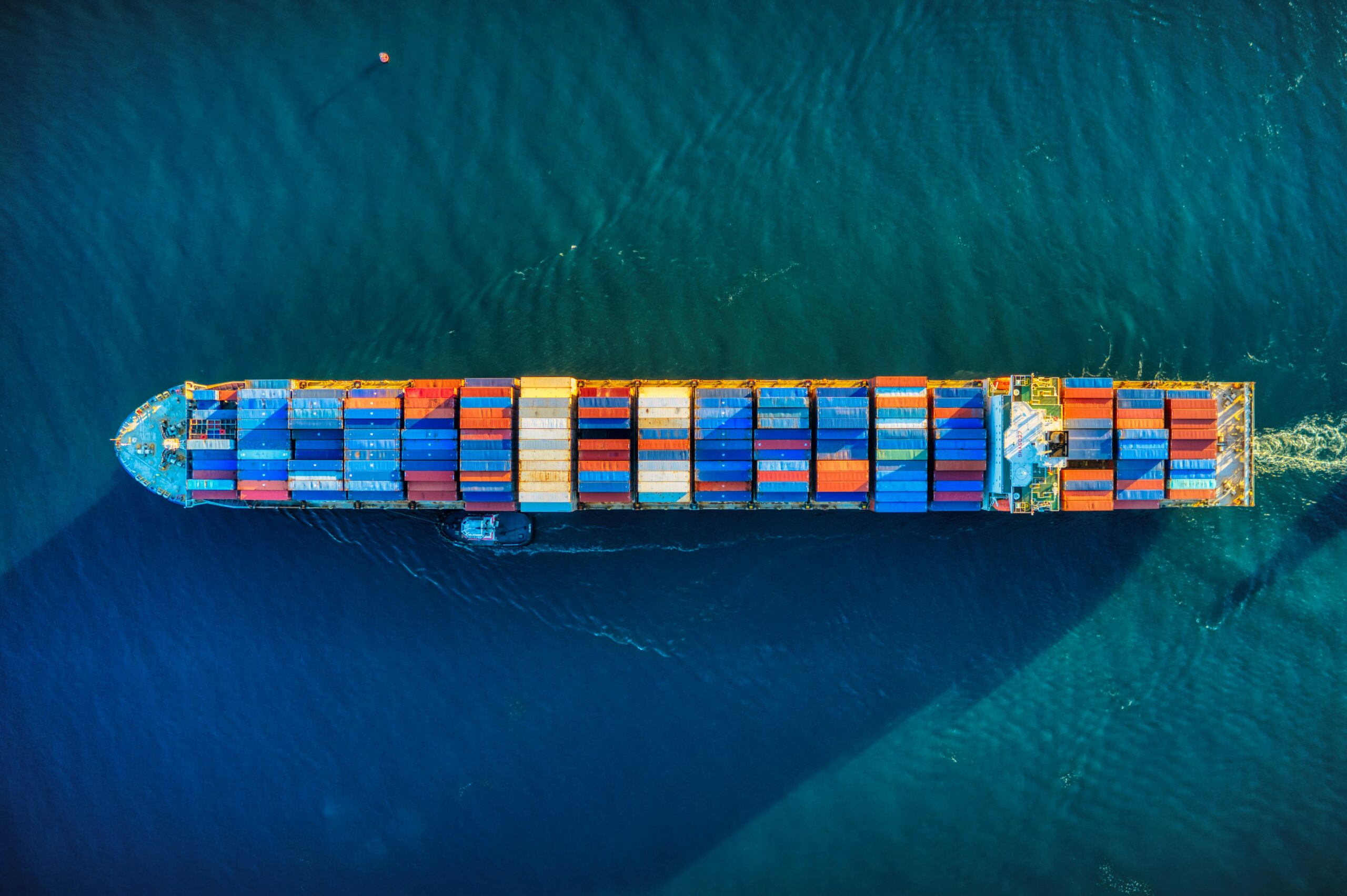
In today’s global marketplace, businesses rely heavily on efficient logistics and reliable shipping to move goods across borders. Whether a company is importing raw materials or exporting finished products, the shipping process plays a crucial role in maintaining smooth operations and meeting customer expectations.
However, international shipping is far more complex than simply loading cargo onto a vessel or aircraft. It involves documentation, customs regulations, transportation planning, packaging standards, and coordination between multiple parties. Because of this complexity, many companies, especially those new to international trade make costly shipping mistakes that can lead to delays, damaged cargo, unexpected fees, or compliance issues.
Understanding these common mistakes can help businesses avoid disruptions and ensure their shipments move efficiently through the global supply chain. Below are five of the most common shipping mistakes companies make and how they can be avoided.
1. Incomplete or Incorrect Documentation
One of the most frequent problems in international shipping is incorrect or incomplete documentation. Every international shipment requires a variety of documents, including commercial invoices, packing lists, bills of lading, and customs declarations. Depending on the type of cargo and the destination country, additional documentation such as certificates of origin, permits, or inspection certificates may also be required.
Even small errors such as incorrect product descriptions, inaccurate quantities, or missing tariff codes can result in significant delays at customs. In some cases, shipments may be held for inspection, returned to the origin country, or even subjected to penalties and fines.
To avoid these issues, companies should ensure that all shipping documents are accurate, consistent, and submitted on time. Working closely with experienced logistics professionals or freight forwarders can help verify that the correct documentation is prepared before the cargo is shipped.
2. Choosing the Wrong Mode of Transport
Many businesses make the mistake of selecting a shipping method based solely on cost. While sea freight is typically the most economical option for large shipments, it may not always be suitable when delivery deadlines are tight. On the other hand, air freight offers much faster transit times but can significantly increase transportation costs.
Choosing the wrong mode of transport can create supply chain problems, especially when inventory levels are carefully managed or when goods are required for production schedules.
Before selecting a shipping method, companies should evaluate several factors, including:
- Delivery timelines
- Cargo size and weight
- Budget considerations
- Product value and urgency
- Reliability of shipping routes
In many cases, logistics providers can recommend the most efficient combination of cost and speed to ensure that shipments arrive when they are needed.
3. Poor Packaging and Cargo Protection
Another common shipping mistake involves inadequate packaging. Goods that are not properly packed or secured can be easily damaged during transportation. This is particularly important for sea freight, where containers are exposed to long transit times, handling at multiple ports, and movement caused by waves and weather conditions.
Improper packaging may lead to products shifting inside containers, crushing under heavy cargo, or being exposed to moisture and temperature changes. Damaged goods not only result in financial losses but can also harm business relationships with customers.
To prevent these issues, companies should invest in proper packaging materials and follow international packaging standards. This may include using reinforced cartons, pallets, shrink wrap, protective cushioning, and moisture barriers. Proper labeling and secure container loading are also essential to ensure cargo remains stable throughout the journey.
4. Lack of Understanding of Customs Regulations
Each country has its own set of import and export regulations, and failing to understand these requirements can create serious complications. Many businesses assume that once their shipment leaves the origin port, the rest of the process will happen automatically. In reality, customs procedures are one of the most critical stages in international shipping.
Common regulatory issues include incorrect tariff classifications, undeclared goods, missing permits, or non-compliance with local import restrictions. When these problems occur, shipments may be delayed for inspections, incur unexpected duties, or be rejected entirely.
Businesses that frequently trade internationally should stay informed about the regulations that apply to their products and target markets. This includes understanding duties and taxes, restricted items, and required certifications. Working with experienced freight forwarding partners can help ensure that shipments comply with all customs regulations before they arrive at their destination.
5. Poor Communication and Lack of Shipment Visibility
Effective communication is essential in the shipping process, yet many companies struggle with tracking their cargo or receiving timely updates. When shipments move through multiple stages—such as trucking, port handling, ocean transport, and customs clearance—it can be difficult to know exactly where the cargo is at any given time.
Without clear visibility, businesses may struggle to plan inventory, schedule deliveries, or respond to unexpected delays. This lack of information can disrupt supply chains and affect customer satisfaction.
To address this issue, companies should prioritize working with logistics partners that offer transparent communication and shipment tracking. Modern freight forwarding services often provide digital tracking systems and regular status updates, allowing businesses to monitor their shipments from origin to destination.
The Value of Proper Logistics Planning
Shipping mistakes can have serious consequences, including financial losses, operational disruptions, and damage to a company’s reputation. Fortunately, most of these issues can be prevented through careful planning, proper documentation, and collaboration with experienced logistics professionals.
By understanding the complexities of international shipping and avoiding these common mistakes, companies can improve efficiency, reduce risks, and maintain a more reliable supply chain.
As global trade continues to grow, businesses that invest in strong logistics strategies and reliable shipping partners will be better positioned to compete in the international marketplace.
Related Posts
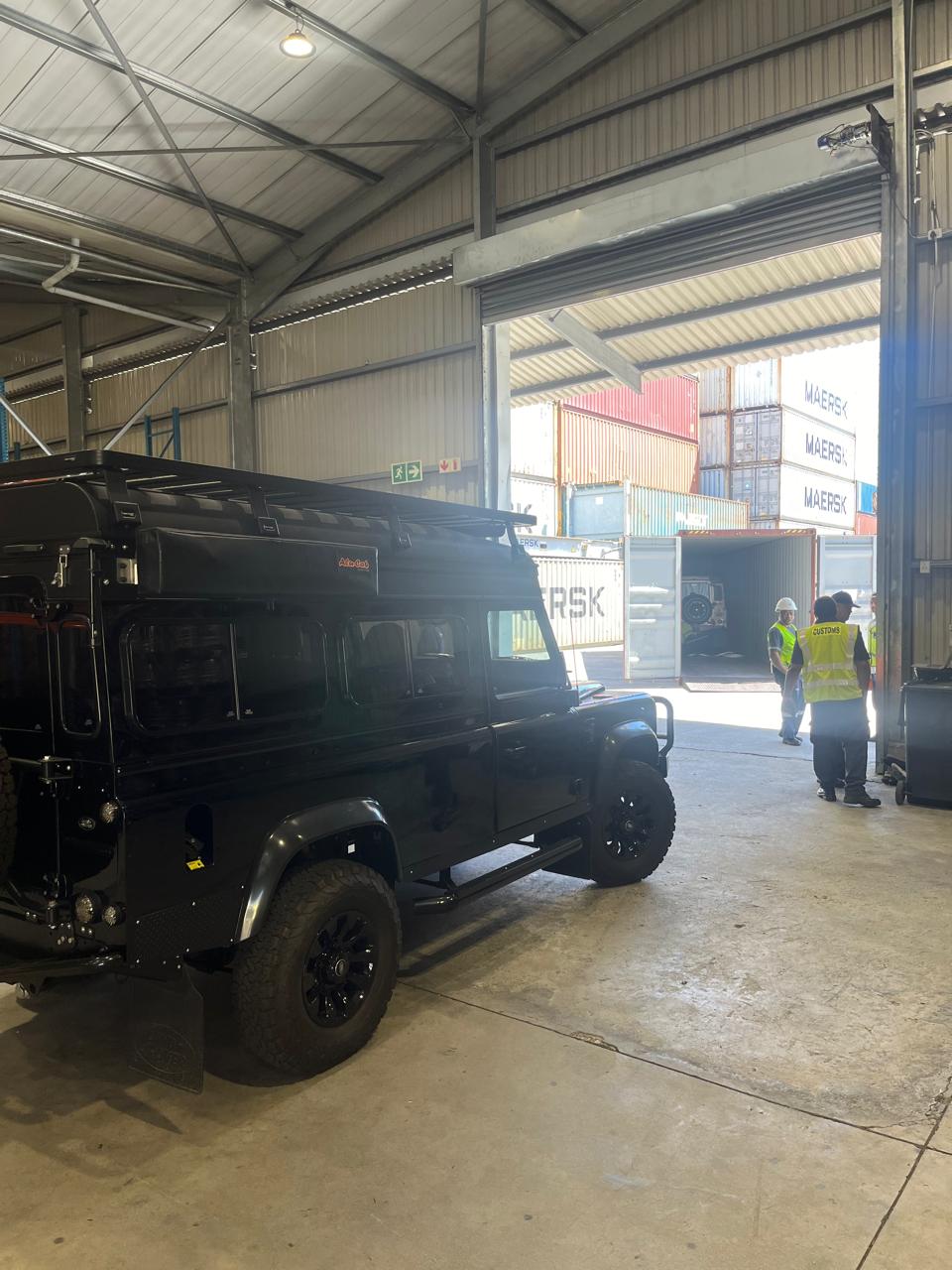 Behind the Scenes: Exporting Two Custom Land Rover Defenders to the USA
 How Conflict in the Middle East Is Affecting International Freight