In international shipping, documentation is just as important as transportation itself. Even when cargo is packed correctly and booked with the right carrier, poor or incorrect documentation can bring a shipment to a complete stop. Delays caused by paperwork errors often lead to unexpected costs, missed delivery deadlines, and frustrated customers.
For many businesses—especially small and medium-sized importers and exporters—documentation issues are one of the most common and costly shipping problems. In this article, we explain how poor documentation delays shipments, the most common mistakes to avoid, and how working with a freight forwarder can help prevent these issues.
Why Documentation Is Critical in International Shipping
Every international shipment must comply with customs, carrier, and regulatory requirements. Documents are used to:
- Identify the cargo
- Determine customs duties and taxes
- Confirm ownership and delivery terms
- Ensure compliance with import/export regulations
Customs authorities and carriers rely entirely on shipping documents to decide whether cargo can move forward. If documents are incorrect, incomplete, or inconsistent, shipments are often held for inspection or correction.
Common Shipping Documents That Must Be Accurate
Some of the most important documents in international freight include:
- Commercial Invoice
- Packing List
- Bill of Lading (Sea Freight) or Air Waybill (Air Freight)
- Certificate of Origin
- Import/Export Licenses (if required)
- Insurance Certificate (if applicable)
Even small errors on any of these documents can result in delays.
Common Documentation Mistakes That Cause Delays
1. Incorrect or Incomplete Commercial Invoice
The commercial invoice is one of the most critical documents for customs clearance. Common errors include:
- Missing shipper or consignee details
- Incorrect cargo description
- Wrong HS (Harmonized System) codes
- Incorrect declared value
- Missing Incoterms®
Customs authorities may stop the shipment to request corrections or conduct additional inspections, causing delays that can last days or even weeks.
2. Mismatch Between Documents
All shipping documents must match exactly. If information on the commercial invoice does not match the packing list or bill of lading, customs may flag the shipment.
Common mismatches include:
- Different cargo weights or quantities
- Inconsistent product descriptions
- Incorrect number of packages
These inconsistencies raise red flags and often trigger manual reviews by customs officials.
3. Missing or Incorrect HS Codes
HS codes are used worldwide to classify goods and determine applicable duties and taxes. Using the wrong HS code can result in:
- Incorrect duty calculation
- Customs penalties
- Shipment holds for reclassification
Customs authorities may detain the cargo until the correct HS code is confirmed, significantly delaying delivery.
4. Incorrect Shipper or Consignee Details
Simple errors such as misspelled company names, incorrect addresses, or missing contact details can prevent customs clearance or final delivery.
If customs or carriers cannot contact the consignee, the shipment may be held at the port or airport, leading to storage charges and delivery delays.
5. Missing Required Certificates or Licenses
Certain goods require additional documentation, such as:
- Certificates of origin
- Health or phytosanitary certificates
- Import permits or export licenses
If these documents are missing or incorrect, customs will not release the shipment until the required paperwork is provided.
How Documentation Errors Lead to Extra Costs
Delays caused by poor documentation do not just affect delivery time—they also increase costs. These may include:
- Demurrage and detention charges
- Storage fees at ports or airports
- Customs inspection fees
- Additional handling charges
- Potential fines or penalties
In some cases, prolonged delays can even result in cargo being returned or abandoned, causing significant financial loss.
Impact on Customer Relationships and Business Reputation
Late deliveries can damage customer trust, especially when clients rely on timely shipments to meet their own commitments. Repeated delays caused by documentation errors may lead customers to:
- Seek alternative suppliers
- Demand discounts or compensation
- Lose confidence in your logistics reliability
Over time, poor documentation practices can harm your brand reputation and competitiveness.
How a Freight Forwarder Helps Prevent Documentation Delays
A professional freight forwarder plays a crucial role in ensuring documentation accuracy. Their expertise helps businesses avoid common mistakes by:
- Reviewing all documents before shipment
- Ensuring consistency across paperwork
- Advising on correct HS codes
- Confirming country-specific customs requirements
- Coordinating with customs brokers and authorities
Freight forwarders stay updated on changing regulations and help ensure that shipments comply with all necessary rules before cargo moves.
Best Practices to Avoid Documentation-Related Delays
Businesses can reduce the risk of delays by following a few best practices:
- Prepare documents early, not at the last minute
- Double-check all details for accuracy and consistency
- Use clear and accurate cargo descriptions
- Confirm documentation requirements for each destination
- Work closely with an experienced freight forwarder
Proactive planning and expert support can prevent most documentation-related shipping problems.
Conclusion
Poor documentation is one of the most common reasons shipments are delayed in international trade. Even minor errors can trigger customs holds, increase costs, and damage customer relationships.
By understanding common documentation mistakes and partnering with a reliable freight forwarder, businesses can ensure smoother customs clearance, faster delivery, and fewer disruptions. Accurate documentation is not just paperwork—it is a key factor in keeping your supply chain moving efficiently.
Related Posts
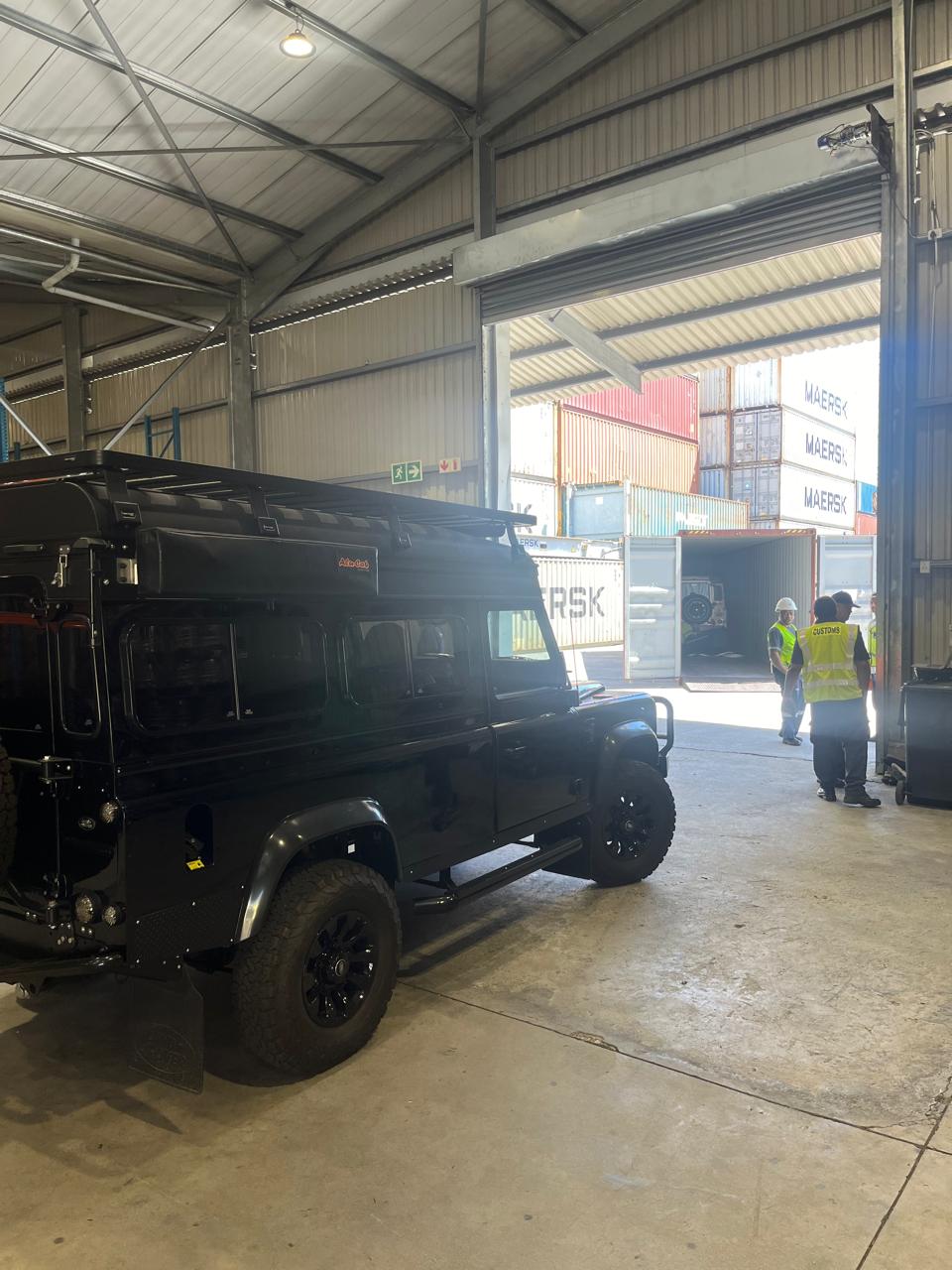 Behind the Scenes: Exporting Two Custom Land Rover Defenders to the USA
 How Conflict in the Middle East Is Affecting International Freight
 5 Common Shipping Mistakes Companies Make (and How to Avoid Them)