
When shipping goods internationally, one of the most important decisions a business must make is choosing between air freight and sea freight. Each option has its own advantages, costs, and ideal use cases. Selecting the wrong mode of transport can increase expenses, cause delays, or even damage customer relationships.
In this article, we explain the key differences between air freight and sea freight in simple terms, helping you choose the most suitable option for your business needs.
What Is Air Freight?
Air freight involves transporting cargo by aircraft, either on dedicated cargo planes or in the cargo hold of passenger flights. It is the fastest method of international shipping and is commonly used for urgent, high-value, or time-sensitive goods.
Key Characteristics of Air Freight
- Very fast transit times (often 1–5 days)
- Higher shipping costs
- Strict weight and size limitations
- High level of security and reliability
Air freight is ideal when speed is critical and the cost of shipping is less important than delivery time.
What Is Sea Freight?
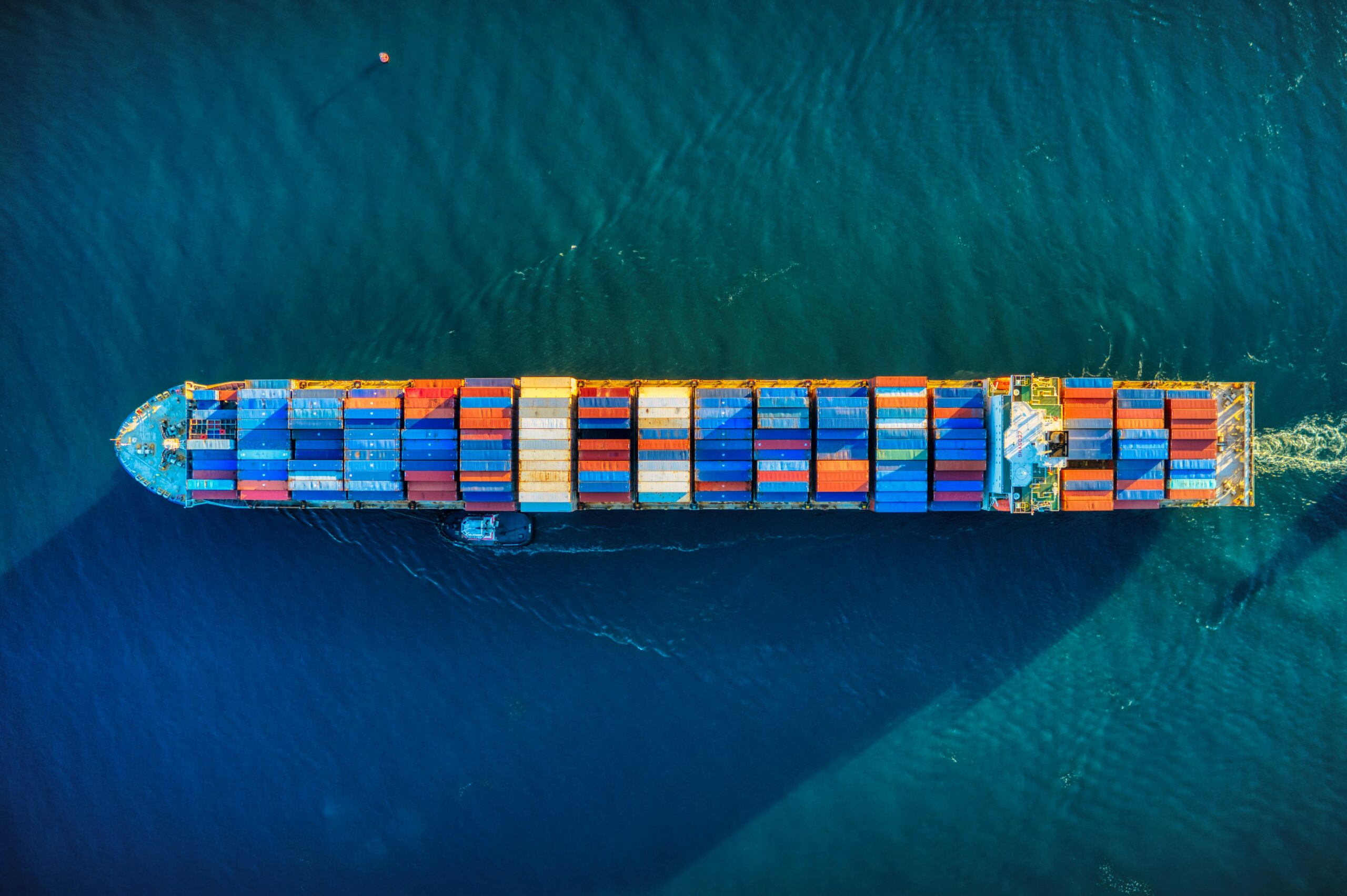
Sea freight involves transporting goods by cargo ships across oceans. It is the most cost-effective solution for large volumes and heavy shipments and accounts for the majority of global trade.
Key Characteristics of Sea Freight
- Slower transit times (typically 2–8 weeks)
- Lower shipping costs per unit
- Suitable for large, heavy, or bulky cargo
- Flexible options such as Full Container Load (FCL) and Less than Container Load (LCL)
Sea freight is best suited for businesses that prioritize cost savings over speed.
Cost Comparison: Air Freight vs Sea Freight
Cost is often the deciding factor when choosing a shipping method.
Air Freight Costs
Air freight is charged based on chargeable weight, which considers both actual weight and volumetric (dimensional) weight. Because aircraft space is limited and fuel costs are high, air freight rates are significantly more expensive.
Air freight is cost-effective only when:
- Shipment size is small
- Goods are high-value
- Delays would cause financial loss
Sea Freight Costs
Sea freight is much cheaper, especially for large shipments. Costs are usually calculated per container (FCL) or per cubic meter (LCL).
Sea freight is more economical when:
- Shipping large volumes
- Transporting heavy goods
- Delivery deadlines are flexible
In general: If cost is your main concern, sea freight is the better option.
Transit Time: Speed vs Planning
Air Freight Transit Time
Air freight offers unmatched speed. Door-to-door delivery can take just a few days, making it ideal for:
- Urgent orders
- Seasonal products
- Medical supplies or electronics
- Production parts needed to avoid downtime
Sea Freight Transit Time
Sea freight requires more planning. Transit times vary depending on the route, port congestion, and customs clearance. While slower, sea freight is reliable when shipments are planned in advance.
In general: If time is critical, choose air freight. If you can plan ahead, sea freight works well.
Cargo Type and Size Considerations
Air Freight Cargo
Air freight is suitable for:
- Lightweight and compact cargo
- High-value goods (electronics, jewelry)
- Perishable items (with temperature control)
- Urgent documents and samples
However, air freight has limitations on:
- Dangerous goods
- Oversized cargo
- Very heavy items
Sea Freight Cargo
Sea freight is suitable for:
- Machinery and industrial equipment
- Furniture and building materials
- Bulk goods and raw materials
- Oversized and heavy cargo
Sea freight offers greater flexibility in terms of cargo size and type.
Reliability and Risk Factors
Air Freight Reliability
Air freight schedules are frequent and predictable. Delays are less common, and cargo handling is usually more secure due to tighter airport controls.
However, air freight can be affected by:
- Weather conditions
- Limited cargo space during peak seasons
Sea Freight Reliability
Sea freight is generally reliable but more exposed to:
- Port congestion
- Customs delays
- Weather disruptions at sea
Working with an experienced freight forwarder can significantly reduce these risks for both modes.
Environmental Impact
Sustainability is becoming increasingly important for businesses.
- Air freight has a much higher carbon footprint per kilogram of cargo.
- Sea freight is more environmentally friendly for large shipments, even though ships consume large amounts of fuel overall.
Businesses aiming to reduce their environmental impact often prefer sea freight whenever delivery timelines allow.
When Should You Choose Air Freight?
Air freight is the right choice when:
- Delivery is urgent
- Cargo is high-value
- Shipment size is small
- Stock shortages would affect sales or production
Example: Shipping smartphone components needed immediately for manufacturing.
When Should You Choose Sea Freight?
Sea freight is the right choice when:
- Shipping large or heavy cargo
- Cost control is a priority
- Delivery timelines are flexible
- Goods are not time-sensitive
Example: Shipping furniture, machinery, or retail stock for future sales.
The Role of a Freight Forwarder
Choosing between air and sea freight can be complex. A professional freight forwarder helps by:
- Analyzing your cargo and delivery requirements
- Comparing costs and transit times
- Managing documentation and customs clearance
- Coordinating the entire shipment from origin to destination
For small and medium-sized businesses, working with a reliable freight forwarder ensures smoother shipping and fewer costly mistakes.
Conclusion
There is no one-size-fits-all answer when choosing between air freight and sea freight. The right choice depends on cost, time, cargo type, and business priorities.
- Choose air freight when speed and reliability matter most.
- Choose sea freight when cost efficiency and volume are the priority.
By understanding the strengths and limitations of each option—and by partnering with an experienced freight forwarder—you can make smarter shipping decisions that support your business growth.
Related Posts
 Behind the Scenes: Exporting Two Custom Land Rover Defenders to the USA
 How Conflict in the Middle East Is Affecting International Freight
 5 Common Shipping Mistakes Companies Make (and How to Avoid Them)